

A Buyer’s Guide to Evaluating Heavy-Duty Tools for Long-Term Use


Choosing heavy-duty tools is not just about getting the job done today; it is about making sure your investment lasts for years. The right equipment can handle pressure, maintain performance under tough conditions, and save you costly replacements down the line. Heavy-duty tools are an investment. Professionals and businesses depend on them daily, so it’s vital to select products that will last under demanding conditions.
This buyer’s guide explores the main factors you should consider when choosing heavy-duty tools for reliable, long-term use.
Why Quality Matters in Heavy-Duty Equipment
When it comes to high-performance tools for work, quality is more than a luxury; it directly impacts productivity, safety, and operating costs. Substandard tools may fail prematurely, cause downtime, or even create safety hazards. By investing in top-rated heavy-duty equipment, you can minimize replacement costs and improve work efficiency. A well-chosen tool should withstand repeated use under pressure while delivering consistent performance.
Understanding the Different Types of Heavy-Duty Tools
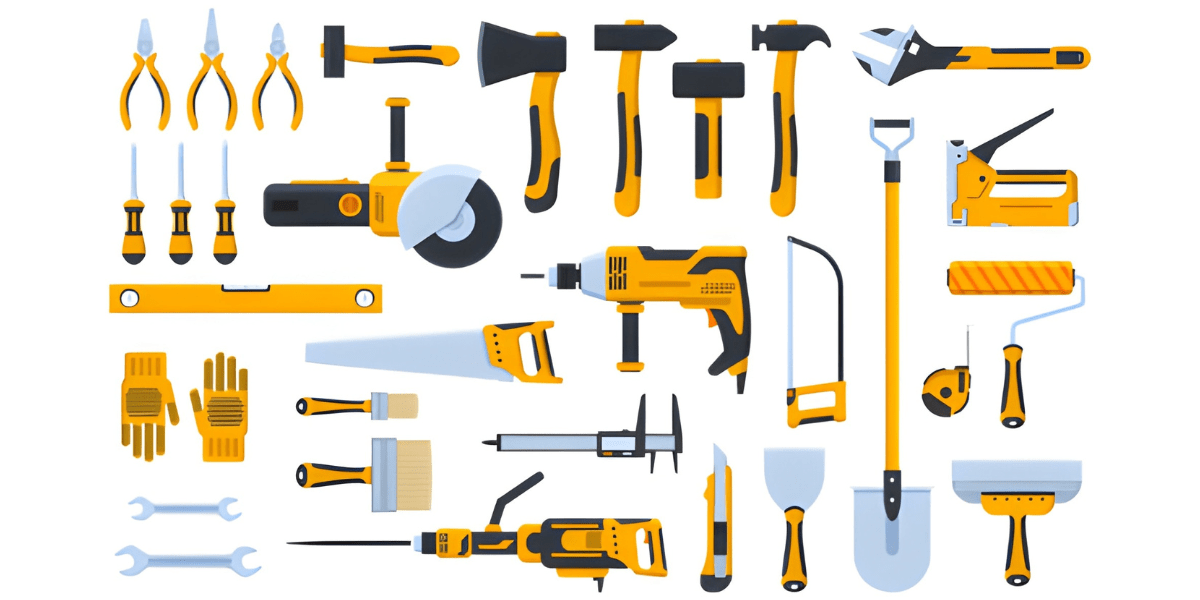
Heavy-duty tools come in various forms, each designed to meet specific needs. Broadly, they can be divided into three categories:
- Heavy Duty Hand Tools: These include hammers, pliers, wrenches, and screwdrivers that must tolerate repetitive, forceful use.
- Power Tools: Corded or cordless drills, saws, and grinders built for intensive industrial applications.
- Heavy Equipment Accessories: Attachments and fittings that extend the functionality of machinery.
When you buy heavy-duty tools online, having a clear understanding of these categories will help you narrow down your options more effectively.
Key Features to Look For in These Tools
Not all tools are created equal. To identify reliable tools for long-term use, keep the following features in mind:
- Material Quality: Tools crafted with hardened steel, alloy, or reinforced composites last longer.
- Ergonomic Design: Comfortable grips reduce strain during extended use.
- Durability Testing: Brands that subject their tools to rigorous testing usually provide better performance.
- Replaceable Components: Parts such as blades or handles that can be swapped out extend the tool’s lifespan.
- Brand Reputation: Established brands often provide consistency and quality assurance.
Evaluating Top-Rated Heavy-Duty Equipment
Top-rated heavy-duty equipment stands out due to its design, durability, and performance record. Look for equipment that has undergone performance benchmarking or independent testing. Reading customer reviews and industry reports also provides insight into real-world performance. It’s worth comparing warranties, as longer coverage often signals higher confidence from the manufacturer.
Durability vs. Performance: Striking the Right Balance
Durability is critical, but performance should not be overlooked. High-performance tools for work must not only last but also perform tasks with precision. For example, a durable drill that lacks torque may not meet industrial standards. Conversely, a high-torque drill made with low-quality components may fail after a short period. The best option lies in finding tools that balance both attributes effectively.
Buying Heavy Duty Tools Online: What to Consider
With e-commerce growing rapidly, it’s common to buy heavy-duty tools online. However, online purchasing requires careful evaluation. Consider these points before placing an order:
- Check Product Specifications: Always verify material type, weight capacity, and usage recommendations.
- Review Seller Reputation: Buy only from trusted suppliers with transparent policies.
- Look for Detailed Descriptions: Reliable platforms provide comprehensive specifications and warranty details.
- Compare Pricing and Offers: Don’t focus solely on cost, factor in shipping and return policies.
- Read Customer Feedback: Reviews highlight strengths and potential weaknesses of the product.
Online purchasing can provide access to a wider range of brands and models, often at competitive prices, but only if approached with caution.
Common Mistakes Buyers Make
Many businesses make costly mistakes when sourcing heavy-duty hand tools and equipment. Some of the most frequent errors include:
- Prioritizing Low Price Over Quality: Cheaper tools may lead to higher costs over time.
- Ignoring Ergonomics: Poorly designed tools increase fatigue and reduce productivity.
- Overlooking After-Sales Support: Lack of replacement parts or service centers shortens tool lifespan.
- Failing to Research: Buying without comparing specifications or reviews often leads to poor outcomes.
Avoiding these mistakes is crucial for securing reliable tools for long-term use.
Heavy Duty Equipment Buying Guide: Questions to Ask
When going through a buying guide for heavy-duty equipment, prepare a checklist of essential questions:
- What is the maximum workload capacity?
- How long is the warranty, and what does it cover?
- Are spare parts readily available?
- Has the tool been tested under real industrial conditions?
- Is the supplier experienced in industrial supplies?
Having answers to these questions provides confidence and reduces the likelihood of future problems.
Balancing Cost and Value
Price is always a factor, but it should not be the only deciding point. A slightly higher upfront investment in top-rated heavy-duty equipment often pays off through reduced downtime, fewer replacements, and better overall productivity. Cost-per-use is a more reliable metric than the initial purchase price.
How to Test Tools Before Purchase
If possible, physically testing heavy-duty hand tools provides valuable insight. Assess grip comfort, balance, and ease of use. For power tools, check noise levels, vibration, and efficiency under load. Testing eliminates guesswork and helps confirm that the product matches its specifications.
Importance of After-Sales Support
Reliable after-sales service is often underestimated but is critical when investing in heavy-duty equipment. Look for suppliers who provide repair services, spare parts, and customer support. This kind of backup extends tool lifespan and provides peace of mind, especially for businesses operating in demanding industries.
Building a Long-Term Tool Strategy
A long-term tool strategy goes beyond buying once. It includes proper storage, regular maintenance, and timely replacement of worn components. Keep an inventory log to track tool usage and schedule inspections. This approach guarantees that your heavy duty equipment continues performing at its best.
Final Thoughts
Choosing heavy-duty tools is a serious decision for any professional or business. Durability, performance, and value are the pillars that define reliable tools for long-term use. By understanding features, avoiding common mistakes, and focusing on trusted suppliers, you can secure equipment that supports productivity for years to come.
Looking for top-rated heavy-duty equipment? Buy heavy-duty tools online with confidence through our reliable platform. Industrial Supply Groups provides industrial supplies to Saudi Arabia, giving you access to reliable, high-performance tools from leading manufacturers.
FAQs: A Buyer’s Guide to Evaluating Heavy-Duty Tools for Long-Term Use
What factors should I consider before buying heavy-duty tools?
Durability, material quality, brand reputation, warranty, safety features, and ease of maintenance are key factors when evaluating heavy-duty tools.
How can I tell if a heavy-duty tool is built for long-term use?
Look for high-grade steel or alloy construction, ergonomic design, strong protective coatings, and certifications such as ISO or ANSI standards.
Are branded heavy-duty tools always better than generic ones?
Not always. Branded tools often provide higher reliability, longer warranties, and better service support, but some generic tools can also perform well if made with quality materials.
Why is ergonomics important in heavy-duty tools?
Ergonomically designed tools reduce strain, improve efficiency, and lower the risk of workplace injuries during prolonged use.
What maintenance practices extend the lifespan of heavy-duty tools?
Regular cleaning, lubrication, timely part replacements, and proper storage in dry, safe conditions can significantly increase tool longevity.
Should I prioritize power or versatility when choosing heavy-duty tools?
It depends on your needs. If you perform specialized tasks, high power is critical. For varied projects, versatility and interchangeable features are more valuable.
How important is warranty when buying heavy-duty tools?
Very important. A solid warranty reflects manufacturer confidence and ensures you are covered against defects or failures over long-term use.
Are cordless heavy-duty tools reliable for long-term projects?
Yes, modern cordless tools with lithium-ion batteries are powerful and durable, though corded tools may still be preferred for continuous heavy workloads.
What safety certifications should I check for in heavy-duty tools?
Look for certifications like OSHA compliance, CE marking, or ANSI/ISO standards to ensure safety and quality assurance.
How do I balance cost and quality when purchasing heavy-duty tools?
Avoid choosing solely on price. Evaluate total value by comparing durability, efficiency, safety, and warranty rather than upfront cost alone.
