

Why Regular Equipment Maintenance is Key to Safer Energy Sites

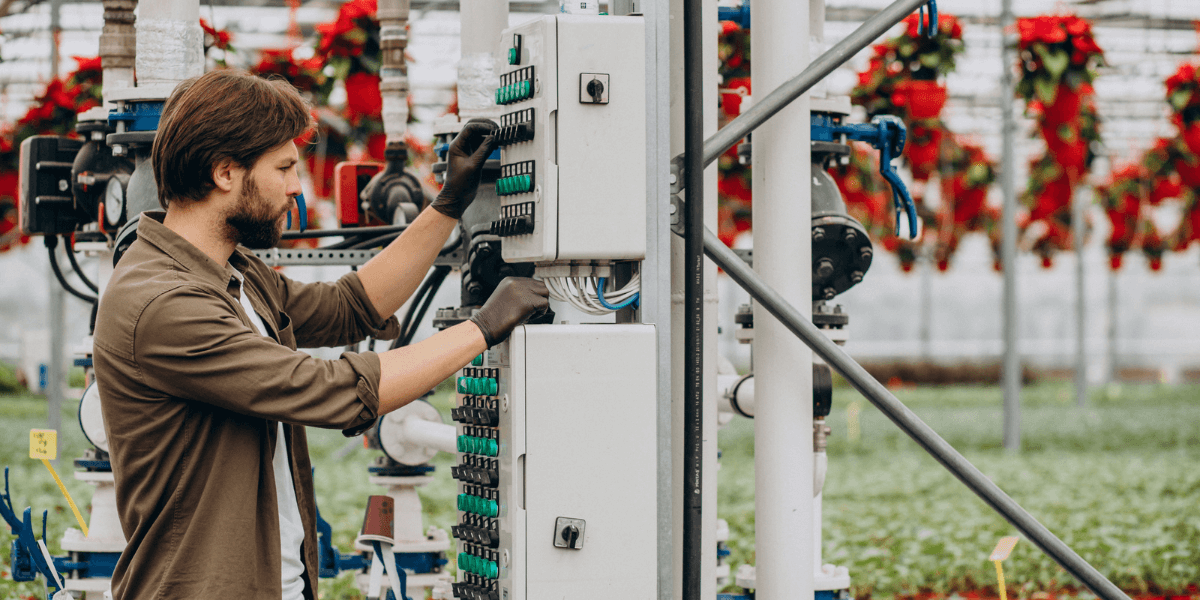
When an energy site is running, many things must align to keep operations safe, efficient, and reliable. The role of regular maintenance for energy equipment cannot be overstated in that context.
This blog unpacks how consistent upkeep helps reduce risk, improve performance, and support long-term safety at energy facilities worldwide.
The Foundation of Safety and Reliability
In energy sector facilities such as power plants and oil and gas installations, equipment fails for a variety of reasons. Wear and tear, corrosion, vibration, poor lubrication, and material fatigue all play a part. One of the most effective defenses against these failure modes is structured and consistent maintenance. In fact, effective maintenance programs significantly increase availability and reduce unplanned shutdowns.
By establishing routine checks, operators ensure equipment is functioning as expected. A sound program also fosters equipment reliability in the energy sector, because the downtime, safety incidents, and unexpected breakdowns are reduced.
Why Maintenance Matters in Power Plants
At the heart of many energy sites lie installations like turbines, boilers, generators, and high-voltage equipment. According to a review of power plant operations, efficient maintenance leads to high reliability and lower costs.
When operators focus on the importance of maintenance in power plants, the benefits are more than just technical. Enhanced performance, improved energy efficiency, and the avoidance of emergency repairs all contribute to safer and more stable operations. For example, regular upkeep prevents minor faults from turning into major failures that might endanger personnel or the grid supply.
Best Practices for Energy Site Maintenance
Establishing a robust maintenance regime is vital. Here are some widely recognized best practices:
· Scheduled Inspections and Servicing
Regular inspections of bearings, lubrication systems, belts, valves, and electrical components help identify issues early. Scheduled downtime for service allows for safer access and controlled conditions.
· Data-Driven Monitoring
Modern energy sites increasingly use sensors and analytics to monitor equipment health. This proactive approach helps identify trends that indicate impending failure. Research in the energy industry shows this can lower maintenance costs and raise system availability.
· Standard Operating Procedures and Checklists
Having a documented checklist ensures consistency across teams. It also supports compliance with regulatory safety standards and internal governance.
· Training and Competence
Maintenance personnel must be trained to recognize hazards, follow safe work procedures, and record findings accurately. A competent workforce is essential to the success of any maintenance plan.
· Supply-Chain Readiness And Parts Availability
A frequently overlooked factor in safety is the ability to procure the right parts and consumables on time. Studies show delays in securing critical spares degrade reliability and increase risk.
When applied properly, this set of practices captures the essence of energy site maintenance best practices and drives performance, safety, and cost-effectiveness.
How Maintenance Improves Safety at Energy Facilities
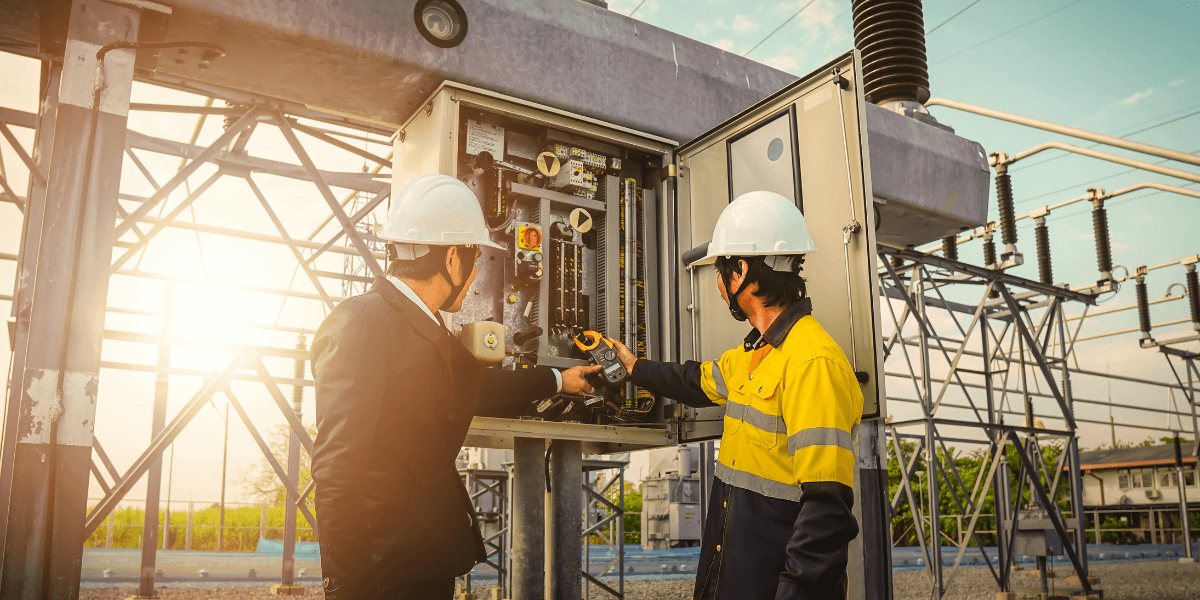
Safety is a major driver for investment in maintenance. Some of the key ways regular maintenance contributes to safer operations include:
- Reducing the risk of catastrophic equipment failure, which could lead to fires, explosions, or toxic releases.
- Ensuring emergency shutdown systems and protective devices are functioning correctly.
- Improving the working environment for technicians by preventing leaks, fumes, unstable structures, or unguarded moving parts.
- Supporting operational continuity so that crews are not rushing fixes in unsafe conditions during unexpected outages.
These points are clear in practice. Maintenance strategies that prioritize safety inspections and strict adherence to operational procedures consistently create safer working environments and help reduce the likelihood of incidents.
Thus, a targeted maintenance program is a direct contributor to how maintenance improves safety in energy facilities.
Preventive Maintenance and the Energy Industry
Preventive maintenance involves servicing equipment at regular intervals instead of waiting for breakdowns. In the energy sector, this approach strengthens reliability, reduces costly failures, saves energy, and improves overall safety through consistent and well-planned upkeep. Implementing preventive maintenance in the energy industry helps achieve better efficiency and stability.
Partnering with trusted sources, like Industrial Supply Groups, to buy industrial equipment online further supports these programs by ensuring access to reliable parts and timely replacements for critical systems.
Equipment Reliability as a Safety Mechanism
Reliable equipment interrupts the chain of events that cause accidents. For example, worn bearings in a pump can lead to dangerous pressure surges if left unchecked. Routine inspection prevents such incidents and maintains operational safety. Research confirms that reliability and availability strongly depend on consistent maintenance. When assets are dependable, facilities remain safer for workers and more stable for the surrounding infrastructure, minimizing risks and improving energy system continuity.
Oil & Gas Industry: The Role of Checklists and Maintenance
In oil and gas operations, risks are amplified due to extreme conditions and flammable materials. Following a maintenance checklist for oil and gas equipment ensures consistent inspections and adherence to safety standards. Items like valves, seals, and electrical systems must be routinely verified. This structured approach promotes accountability and reduces human error. Companies that apply strict checklist routines often experience fewer unplanned shutdowns, improved equipment performance, and a marked reduction in hazardous incidents on-site.
Global Considerations for Energy Sites
Energy sites operate across the world in varying regulatory and environmental conditions. In developing markets, the challenge might include outdated assets, scarcity of qualified technicians, or inconsistent supply chains. For all settings, the same principle holds: consistency in maintenance only adds to safety, reliability, and operational continuity.
Therefore, global operators must commit to robust maintenance protocols to ensure uniform levels of safety and reliability. This underlines the point that maintenance is not just technical upkeep but a strategic commitment.
Conclusion
Regular equipment maintenance forms the backbone of safety, reliability, and performance across energy sites. A structured maintenance program keeps machinery operating correctly, lowers failure risks, and improves efficiency. Combining preventive practices, checklists, data monitoring, and reliable parts supply builds safer, more dependable operations.
Long-term safety in the energy sector relies on viewing maintenance as a vital responsibility, not a cost. Working with a trusted drilling equipment supplier further supports maintenance reliability. If you need dependable sourcing and support, reach out to Industrial Supply Groups!