

Tips to Improve Your Industrial Instruments’ Life


Industrial instruments support daily operations across manufacturing, energy, logistics, and construction. From pressure gauges and flow meters to sensors and control panels, these tools operate in demanding environments that include heat, vibration, moisture, dust, and constant usage. Without proper care, performance declines, errors increase, and replacement costs rise. A structured approach to industrial instrument maintenance helps protect accuracy, safety, and reliability while supporting long-term value.
This guide shares practical steps that help extend equipment life, reduce failures, and support consistent performance in industrial settings across the US.
Why Instrument Care Matters
Industrial instruments are precision devices. Even small changes in calibration, cleanliness, or environmental exposure affect performance. Poor maintenance leads to inaccurate readings, unexpected downtime, and safety risks.
Regular industrial tools care supports:
- Reliable data for operations and quality control
- Lower repair and replacement costs
- Improved safety for operators and nearby equipment
- Stronger compliance with industry and regulatory standards
Build a Structured Maintenance Program
A defined program ensures that instrument care does not rely on memory or availability.
· Create a Maintenance Schedule
List each instrument, its location, function, and service interval. Use manufacturer guidelines as a starting point. Some instruments need weekly checks, while others require monthly or quarterly attention.
· Assign Responsibility
Every instrument should have a clear owner. This person tracks service dates, documents issues, and ensures corrective actions occur on time.
· Use Digital Tracking Tools
Maintenance software or simple spreadsheets prevent missed inspections and provide useful history during audits and troubleshooting.
A structured approach to preventive maintenance helps catch problems early and keeps instruments within operating limits.
Keep Instruments Clean and Protected
Contamination is a major cause of failure.
· Control Dust and Debris
Dust clogs vents, coats sensors, and interferes with moving parts. Regular cleaning prevents buildup and preserves accuracy.
· Manage Moisture and Humidity
Water causes corrosion, electrical shorts, and sensor drift. Use sealed enclosures, desiccants, and climate control where needed.
· Shield from Vibration and Impact
Mount instruments securely and use vibration isolators in high-motion environments.
Calibrate on a Regular Basis
Calibration keeps instruments accurate.
· Follow Manufacturer Recommendations
Calibration intervals depend on usage, environment, and criticality. High-impact instruments often require more frequent calibration.
· Use Certified Calibration Services
Third-party labs provide traceable standards and documented results. This documentation supports quality programs and regulatory compliance.
· Document Every Calibration
Records show trends over time and reveal instruments that need repair or replacement.
Train Operators and Technicians
Human behavior directly affects instrument life.
· Teach Proper Handling
Rough handling damages sensors, connectors, and displays. Training reduces accidental damage and misuse.
· Promote Reporting of Issues
Operators should report unusual readings, noises, or performance changes immediately.
· Refresh Training Periodically
Turnover and process changes make ongoing training essential.
Use Quality Consumables and Accessories
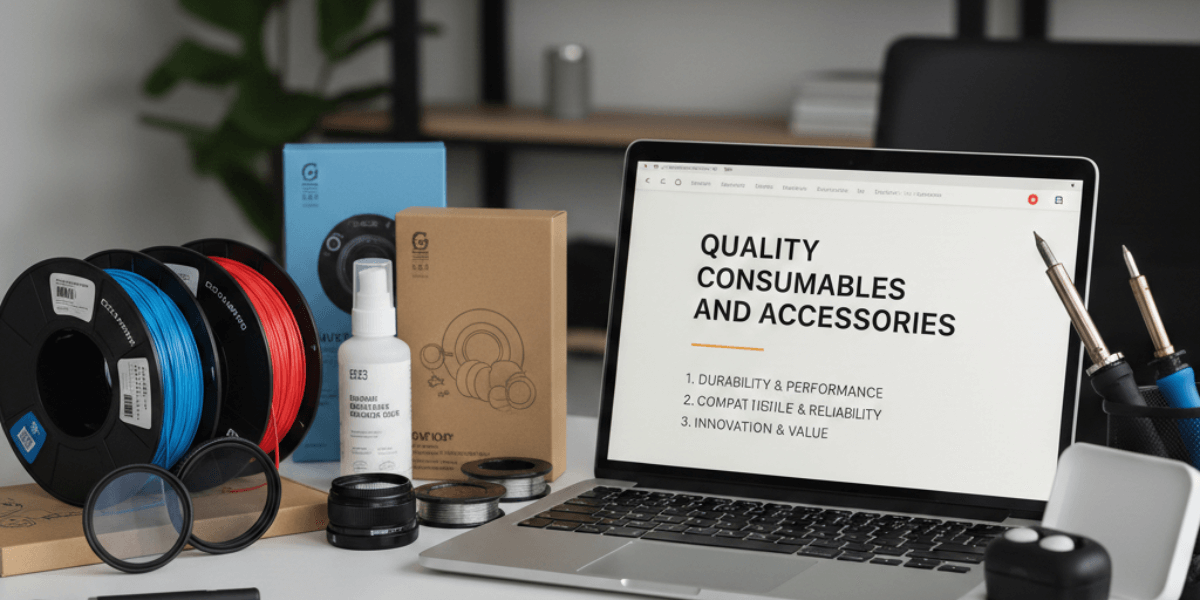
Low-quality cables, connectors, and fluids shorten equipment life.
· Choose Compatible Parts
Only use parts approved by the manufacturer or verified equivalents.
· Replace Worn Components Early
Small worn parts cause larger failures if ignored.
· Store Spares Correctly
Improper storage exposes spares to moisture, dust, and temperature swings before use.
Monitor Environmental Conditions
The environment shapes instrument longevity.
· Track Temperature
High heat degrades electronics and seals. Cold affects batteries and displays.
· Control Chemical Exposure
Corrosive vapors damage metals and plastics. Use protective coatings or enclosures in harsh areas.
· Review Placement
Relocate instruments away from extreme conditions when possible.
Inspect and Test Regularly
Visual and functional checks catch problems early.
· Perform Visual Inspections
Look for cracks, corrosion, loose connections, and wear.
· Test Functional Performance
Compare readings with reference instruments or known values.
· Investigate Deviations Quickly
Small errors often signal larger issues developing.
Work with Reliable Suppliers
Supplier quality affects instrument life.
Working with a trusted petroleum products supplier, Industrial Supply Groups, supports access to clean, stable fuels and lubricants that reduce contamination and wear in instrument systems connected to energy and fuel handling.
A reliable supply chain prevents hidden risks from low-quality inputs.
Plan for End of Life and Replacement
No instrument lasts forever.
· Track Age and Failure Rates
Historical data reveals patterns and supports smarter replacement planning.
· Budget for Replacement
Planned replacement prevents emergency spending and production disruption.
· Retire Unsafe Instruments
Outdated or unstable instruments pose safety and compliance risks.
Benefits of a Strong Maintenance Culture
Organizations that invest in care see clear returns:
- Fewer unexpected shutdowns
- Lower total cost of ownership
- Improved safety and compliance
- More reliable operational data
FAQS
· How often should industrial instruments be serviced?
Service frequency depends on usage, environment, and manufacturer guidance. High use or harsh conditions call for more frequent checks. A planned schedule for industrial instrument maintenance that includes inspections, cleaning, and calibration helps prevent failures and supports consistent performance over time.
· What is the main benefit of preventive maintenance for instruments?
Preventive maintenance reduces unexpected breakdowns, improves accuracy, and lowers repair costs. It allows teams to identify wear, contamination, or calibration drift early, which helps protect equipment reliability and supports safer and more efficient operations across industrial environments.
· Can proper care really extend the life of industrial instruments?
Yes. Regular cleaning, correct storage, proper calibration, and operator training all help extendequipment life. These practices reduce physical stress, limit exposure to damaging conditions, and prevent minor issues from turning into costly failures or early replacements.
· What role does environmental control play in industrial tool care?
Environmental control is critical for industrial tool care. Managing temperature, humidity, dust, vibration, and chemical exposure protects sensitive components, prevents corrosion and drift, and supports stable long-term performance in demanding industrial settings.Top of FormBottom of Form
Conclusion
Industrial instruments perform critical roles in modern operations. Protecting them requires structure, consistency, and attention to detail. Through regular maintenance, proper handling, environmental control, calibration, and documentation, organizations can extend equipment life and improve reliability. Good industrial tools care reduces risk, supports safety, and improves long-term performance across industries.
Connect with Industrial Supply Groups to strengthen maintenance programs and protect valuable equipment investments. For dependable sourcing and technical guidance, working with a professional heavy equipment supplier helps align equipment care with operational demands.