

How Proper Equipment Installation Affects Industrial Performance

Executive Summary: Equipment performance in industrial facilities depends directly on installation quality from the start. Misalignment, weak mounting, and skipped testing create hidden stress that surfaces later as downtime, safety risks, or reduced output. Following manufacturer specifications, properly training staff, and documenting each step protects equipment for years. Installation quality remains a key factor in long-term industrial equipment performance.
A single misaligned bolt can quietly cost a facility thousands of dollars before anyone notices. That is the reality behind proper industrial equipment installation, a step many teams rush through to get production moving faster. Machinery that looks fine on the surface can still carry hidden stress points from day one. Those stress points build over time and show up as vibration, premature wear, or sudden breakdowns during a busy shift.
Facilities that treat installation as a foundational step, not a formality, tend to see steadier output and fewer surprise repairs. The connection between how equipment goes in and how it performs later deserves far more attention than it usually gets.
Why Equipment Installation Sets the Tone for Everything After
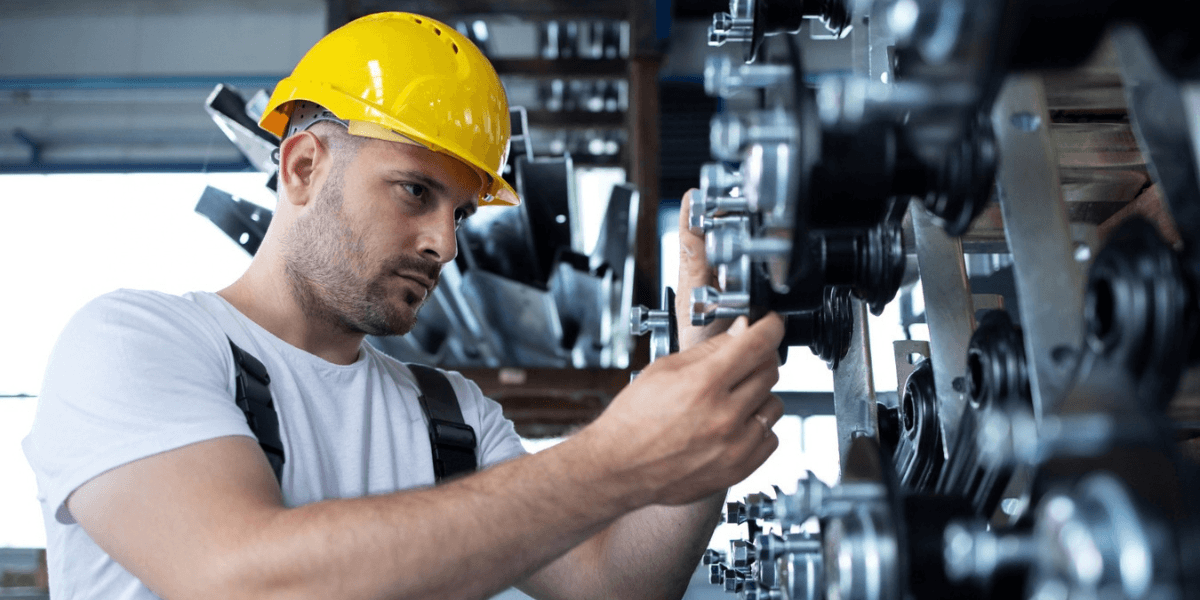
Proper equipment installation for industrial facilities creates a solid foundation for reliable machinery performance and smoother operations long after installation.
Alignment and Calibration Issues
Equipment that gets installed slightly out of alignment rarely fails right away. Instead, small inefficiencies build up over weeks and months, wearing down components faster than expected. A misaligned motor or shaft can increase loads and vibration, accelerating wear on bearings and seals.
Research published in the International Journal of COMADEM found that misalignment accounts for at least 30 percent of vibration-related faults in rotating machinery, underlining how much long-term damage a small setup error can cause.
Foundation and Mounting Problems
A weak or uneven foundation puts constant strain on heavy machinery, even when everything else looks correct. Vibration from an unstable mount spreads to surrounding equipment and structures over time. This kind of problem often stays hidden until output quality starts slipping.
Early Warning Signs Getting Missed
Unusual noises, minor leaks, or slight temperature changes right after installation often get dismissed as normal break-in behavior. Catching these signs early prevents small issues from becoming major failures.
The Industrial Equipment Installation Process, Step by Step
A clear process turns a complicated setup into something manageable and predictable.
1. Site Preparation and Planning
Every successful installation starts with a facility properly prepared for the equipment’s arrival. Flooring, power supply, ventilation, and clearance space all need review before delivery day. Skipping this step often leads to costly last-minute adjustments once the machinery is already on site.
2. Verifying Manufacturer Specifications
Manufacturer guidelines may specify torque values, clearance requirements, electrical details, and other specific installation requirements. Following these details closely during the installation process reduces the risk of early breakdowns. Even slight deviations from these specs can void warranties or create safety concerns.
3. Coordinating Skilled Technicians
Trained technicians understand how each component interacts with the rest of the system, not just the piece they are installing. Poor coordination between crews leads to gaps in responsibility and missed steps. Clear communication among everyone involved keeps the process moving smoothly.
4. Testing Before Full Operation
Running equipment through test cycles before full production catches problems while they are still small. This step reveals issues with calibration, power draw, or unusual vibration patterns. Facilities that skip testing often discover these same problems later, under far more stressful conditions.
5. Documentation for Future Reference
Detailed records of the installation process become invaluable during future repairs or upgrades. Technicians working on the equipment months or years later rely on this documentation to understand past decisions. Good records can support warranty claims and compliance requirements.
A coordinated installation depends on more than good scheduling; it depends on equipment that meets spec from day one. Industrial Supply Groups is a dependable heavy equipment supplier for facilities that need on-site precision. Contact us today for sourcing support built around your project timeline!
Industrial Equipment Installation Best Practices Worth Following
Strong setup habits carry benefits that last for the equipment’s entire lifespan.
- Follow manufacturer manuals closely, covering torque specifications and environmental requirements rather than treating them as flexible suggestions.
- Stick to documented procedures during setup, since shortcuts here put both equipment and operators at unnecessary risk.
- Train staff thoroughly on new systems, since unfamiliar machinery increases the chance of operator errors that shorten equipment lifespan.
- Build team confidence so operators respond faster and more effectively when something does go wrong.
- Schedule regular checks during the first few weeks to catch loose components or calibration drift before real damage occurs.
- Start maintenance planning during installation itself, setting clear service intervals early to extend equipment life and reduce future repairs.
Comparing Installation Issues and Their Impact
Understanding these common installation problems makes it easier to see how small setup errors can affect equipment performance and daily operations.
| Installation Issue | Effect on Equipment | Effect on Operations |
| Misalignment | Premature wear on components | Increased unplanned stoppages |
| Loose or incorrect mounting | Vibration and instability | Safety risks, inconsistent output |
| Skipped testing phase | Hidden faults surface later | Costly emergency repairs |
| Poor documentation | Harder troubleshooting | Longer repair times |
| Inadequate technician training | Repeated setup errors | Lower overall equipment effectiveness |
Frequently Asked Questions
1. How Does Industrial Equipment Installation Affect Performance?
Proper installation prevents hidden stress on components that can lead to breakdowns, safety issues, and reduced output over time.
2. How Does Industrial Equipment Installation Affect Performance?
Installation quality determines how efficiently machinery runs, how much strain it absorbs, and how often it needs unplanned repairs.
3. Why Does Equipment Installation Matter In Industrial Facilities?
Facilities depend on consistent output, and equipment set up correctly the first time supports that consistency far better than a rushed setup.
4. How Does Proper Equipment Installation Improve Industrial Performance?
Careful installation reduces friction, vibration, and calibration drift, all of which directly affect equipment lifespan and performance.
Conclusion
Equipment performance rarely comes down to the machinery alone. The industrial equipment installation process shapes how that equipment behaves for its entire working life, from the first day of operation onward. Facilities that invest time in planning, training, and testing during setup see fewer surprises and steadier output later. Getting installation right the first time remains one of the most reliable ways to protect both equipment and production schedules. The strongest installations start with equipment chosen with the right specifications in mind from the start. Industrial Supply Groups is a trusted name among industrial suppliers, supporting that kind of careful planning. Reach out today for machinery built to match your facility’s needs!