

How Industrial Automation Is Transforming Modern Manufacturing in 2026

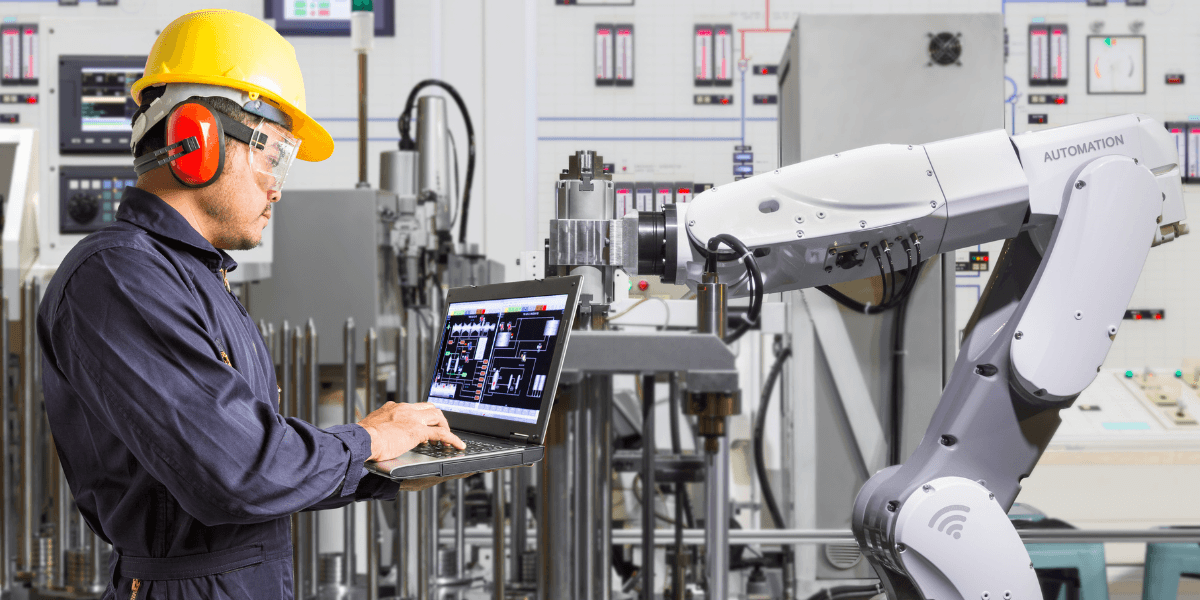
What if factories could think, respond, and improve on their own without waiting for human instructions? That idea is no longer science fiction in 2026. Manufacturing is entering a powerful new phase where industrial automation is reshaping how industries operate across the globe. Production lines are becoming smarter, machines are communicating in real time, and decision-making is increasingly driven by data instead of manual processes.
This shift is not just improving speed and efficiency; it is completely redefining industrial standards. From reducing downtime to improving product quality, automation is changing the foundation of modern manufacturing. Companies that once relied on traditional systems are now embracing intelligent technologies to stay competitive in a fast-moving global market.
The Rise of IndustrialAutomation in 2026
Manufacturing is no longer dependent on isolated machines or manual supervision. In 2026, factories are becoming fully connected ecosystems where every machine plays an active role in decision-making. This transformation is reshaping productivity and operational control across industries.
Modern production systems now rely on real-time communication between machines. Equipment can detect performance issues instantly, adjust operations automatically, and continue functioning with minimal interruption. This reduces downtime and improves overall efficiency.
Another major development is predictive maintenance. Instead of waiting for machines to fail, systems now analyze performance patterns and detect early signs of malfunction. This allows businesses to fix problems before they become costly breakdowns.
Global competition is also accelerating adoption. Companies are under constant pressure to produce faster, maintain consistent quality, and reduce operational costs. Automation provides the structure needed to balance these demands effectively.
How Smart Manufacturing Is Changing Production Systems
Smart manufacturing is reshaping traditional factory operations by creating fully connected and intelligent production environments. It allows businesses to operate with greater speed, accuracy, and flexibility than ever before.
- Smart manufacturing connects machines, data systems, and software into one intelligent network, creating a highly responsive production environment
- Factories can react quickly to changing operational conditions through real-time system coordination
- Production managers no longer rely on manual reports and receive live updates from connected monitoring systems
- Real-time data improves decision-making speed and accuracy across all production stages
- Production lines can adjust to demand changes without requiring major restructuring
- This flexibility is especially useful for industries handling customized or seasonal production needs
- Energy usage is continuously monitored through smart systems to identify inefficiencies
- Automated adjustments help reduce unnecessary energy consumption and production waste
- These improvements support both cost efficiency and long-term sustainability goals
Core Technologies Driving Automation in Manufacturing
Modern manufacturing relies on several advanced technologies that work together to improve efficiency, accuracy, and scalability.
Artificial Intelligence and Machine Learning
Artificial intelligence plays a major role in analyzing production data. It identifies inefficiencies, improves quality control, and helps predict maintenance needs. Machine learning strengthens these systems by learning from historical and real-time data, allowing continuous improvement in performance.
Industrial Internet of Things (IIoT)
IIoT connects machines through sensors that collect and share real-time data. This provides full visibility into operations and helps managers track performance more effectively. It also enables faster responses to technical issues.
Robotics and Autonomous Systems
Robots are extensively utilized in manufacturing to perform tasks that require speed and precision. They handle repetitive operations efficiently and reduce human exposure to dangerous environments. Collaborative robots also work alongside employees in assembly processes.
Cloud-Based Manufacturing Systems
Cloud technology allows manufacturers to store and process large volumes of data. This enables centralized control and remote access to production systems across multiple facilities.
Digital Twin Technology
Digital twins create virtual models of physical systems. These models allow companies to simulate production processes, test changes, and optimize performance before applying updates in real environments.
Edge Computing
Edge computing handles data processing near where it is generated instead of sending it to central servers. This reduces delays and improves response time in critical manufacturing operations. Together, these technologies form the backbone of automation in manufacturing, creating intelligent and responsive production environments.
The Role of Industrial Automation Solutions in Supply Chains
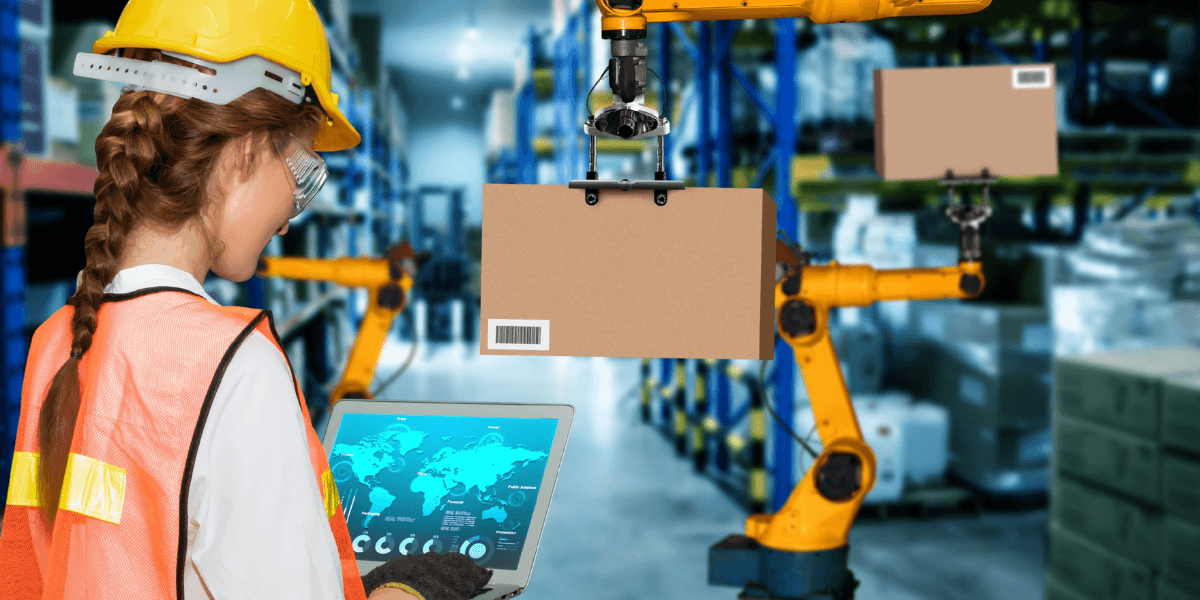
Supply chains today are more complex than ever. Managing materials, suppliers, and logistics requires real-time coordination and high accuracy. This is where industrial automation solutions are making a major impact. These systems allow companies to track materials from suppliers to production lines in real time. This improves inventory management and reduces delays caused by manual tracking.
Automation also improves supplier coordination. When systems are connected, communication becomes faster and more accurate, reducing misunderstandings and supply disruptions. Downtime in manufacturing can be extremely costly. Automated supply chain systems help prevent this by ensuring that materials arrive when needed, keeping production cycles uninterrupted.
If you are looking for trusted industrial suppliers, Industrial Supply Groups supports global industries. We help businesses strengthen procurement processes and improve operational efficiency through reliable sourcing and technical expertise.
Benefits of Industrial Automation in Modern Manufacturing
Improved Productivity and Accuracy
Automation significantly increases productivity by allowing production systems to run continuously with minimal interruptions. This leads to higher output levels and better resource utilization.
Accuracy also improves as machines perform tasks with consistent precision. This reduces defects and improves overall product quality.
Safety, Efficiency, and Scalability
Automation enhances workplace safety by reducing human involvement in hazardous tasks. This lowers risks and creates safer working environments. Cost efficiency improves over time as automation reduces waste, minimizes maintenance requirements, and optimizes energy usage.
Scalability is another key benefit. Automated systems can expand or adjust based on demand without major disruptions to operations.
The Future of Manufacturing in 2026 and Beyond
Manufacturing is moving toward fully connected and intelligent ecosystems. In these systems, machines, data, and human expertise work together seamlessly. Factories will continue adopting advanced analytics, autonomous systems, and adaptive production models. This will make operations more efficient and less dependent on manual intervention.
Sustainability will also play a major role in shaping the future. Energy-efficient systems and optimized production planning will help reduce environmental impact while maintaining productivity. Companies that adopt automation early will have a stronger position in the global market, with better efficiency, lower costs, and improved scalability.
Conclusion
Manufacturing in 2026 is undergoing a major transformation driven by intelligent systems and digital integration. As industrial automation continues to advance, it is changing how factories operate, improving efficiency, accuracy, and decision-making across industries.
The growth of smart manufacturing and automation in manufacturing is creating a more connected and responsive industrial environment. At the same time, advanced automation solutions are improving supply chain performance and operational control.
Industrial Supply Groups is dedicated to supporting global industries with reliable sourcing and technical expertise. As a trusted heavy equipment supplier, we provide dependable solutions that enhance efficiency, support modern industrial operations, and drive long-term growth.