

Essential PPE and Safety Equipment Every Industrial Workplace Needs

Industrial workplaces operate in environments where precision and safety must go hand in hand. Every task, every movement, and every process carries a level of risk. The difference between a controlled environment and a dangerous one often comes down to preparation.
That preparation starts with the right industrial safety equipment. When safety is built into daily operations, it protects workers, supports productivity, and reduces unexpected disruptions.
This guide takes you through the essential components every industrial workplace should have in place.
Why Industrial Workplaces Require a Strong Safety Strategy
Industrial environments involve machinery, materials, and processes that can create hazards if not managed properly. These risks are not always visible, which makes them more challenging to control. Without proper workplace safety gear, businesses may face operational setbacks, injuries, and compliance issues. A strong safety strategy ensures that risks are identified early and managed effectively.
Safety is not just about prevention. It is about creating a system where workers feel secure and can focus on their responsibilities without hesitation. If your workplace safety approach needs improvement, partnering with a trusted industrial equipment supplier like Industrial Supply Group can help you access reliable products that meet your operational requirements and safety standards.
Key Types of Industrial Protective Equipment You Cannot Ignore
A safe industrial environment is never built on a single measure. It is created through multiple layers of protection working together. Each category of industrial protective equipment plays a distinct role in reducing risk and ensuring workers can perform their duties with confidence. When even one layer is missing, safety gaps begin to appear.
Head Protection for Impact Risks
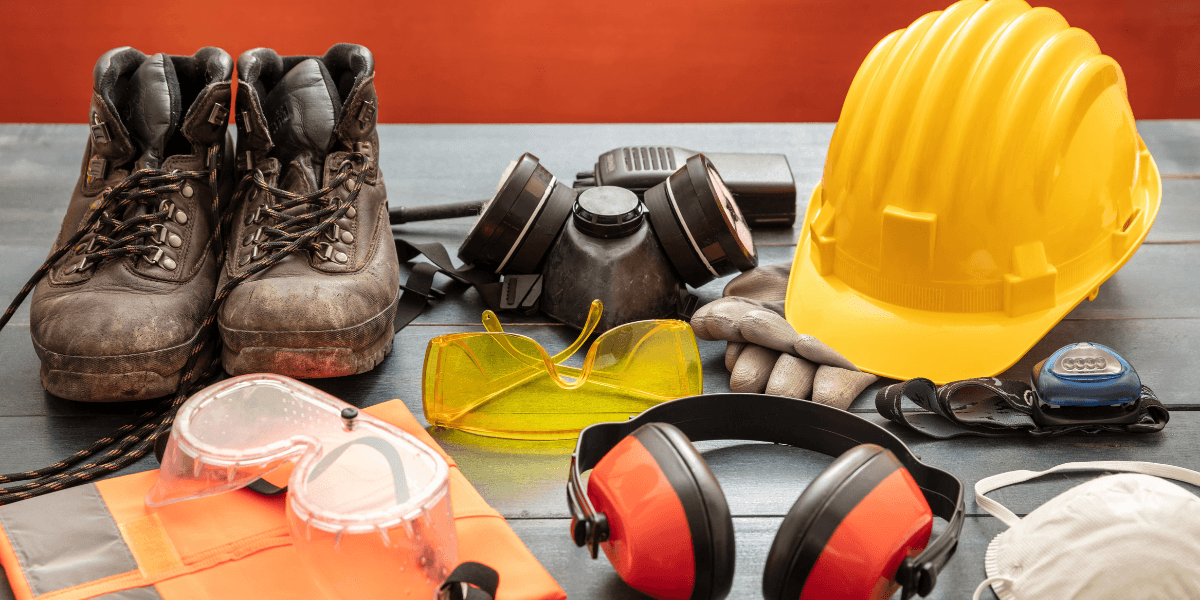
Hard hats shield workers from falling debris, unexpected impacts, and accidental collisions. They are especially important in areas where overhead work is common or where materials are frequently moved above ground level. A properly fitted helmet can significantly reduce the severity of head injuries.
Eye and Face Protection for Hazard Exposure
The eyes and face are highly sensitive and vulnerable to sudden exposure. Safety goggles and face shields protect against flying particles, chemical splashes, and sparks generated during industrial processes. This protection is essential in tasks involving cutting, grinding, or chemical handling.
Hand Protection for Daily Tasks
Hands are involved in almost every industrial operation, which makes them highly exposed to risk. Protective gloves help prevent injuries such as cuts, burns, abrasions, and chemical contact. Selecting the correct type of glove based on the task ensures both safety and efficiency.
Respiratory Protection for Air Quality
Airborne hazards are often invisible but can have serious long-term effects. Respirators and masks help filter dust, fumes, and harmful particles, ensuring workers can breathe safely in challenging environments. This becomes especially critical in enclosed spaces or areas with limited ventilation.
Foot Protection for Stability and Safety
Safety boots are designed to protect against heavy objects, sharp materials, and slippery surfaces. Reinforced soles and toe caps help reduce the risk of foot injuries and improve stability when moving across uneven industrial floors.
Body Protection for Full Coverage
Protective clothing acts as a final barrier against environmental hazards. It helps shield workers from heat, chemicals, sparks, and other workplace risks. Proper body protection ensures that exposure is minimized even during high-risk tasks.
Quick Comparison of Essential PPE Types
This comparison helps simplify the selection process and ensures that each risk area is covered.
How to Choose the Right Safety Equipment for Your Workplace
Selecting the right safety equipment is not a random decision. It requires careful evaluation of workplace conditions, task requirements, and potential hazards. A well-planned approach ensures that protection is effective, practical, and consistently used by employees.
Conduct a Detailed Risk Assessment
Start by examining each area of your operation in detail. Identify where hazards exist, what type of risks are present, and how frequently workers are exposed to them. This step forms the foundation for all safety decisions, helping you understand exactly what level of protection is needed.
Match Equipment to Specific Hazards
Every hazard requires a targeted solution. Mechanical risks, chemical exposure, and airborne particles all demand different types of protection. Selecting equipment based on the exact nature of the task ensures that safety measures are both relevant and effective.
Focus on Comfort, Fit, and Usability
Even the most advanced safety equipment loses its value if workers do not use it properly. Comfortable, well-fitted gear encourages consistent usage throughout long shifts. Equipment that allows natural movement also reduces resistance and improves productivity.
Ensure Compliance with Safety Standards
All safety equipment should meet recognized industry regulations and quality benchmarks. Compliance not only ensures legal adherence but also guarantees that the equipment has been tested for real-world industrial conditions.
Provide Proper Training and Awareness
Supplying equipment alone is not enough. Workers should be adequately trained on how to correctly wear, operate, and care for it. Regular guidance helps reduce misuse, increase awareness, and strengthen the overall workplace safety culture.
Must-Have PPE Checklist for Every Industrial Workplace
To build a strong safety foundation, every workplace should ensure the availability of essential PPE items:
- Hard hats for head protection
- Safety goggles or face shields
- Protective gloves suited to specific tasks
- Respirators or dust masks
- Steel-toe safety boots
- Flame-resistant or chemical-resistant clothing
This checklist provides a simple way to ensure that no critical safety element is overlooked.
Conclusion
Industrial environments will always carry certain risks, but those risks can be managed with a thoughtful, consistent safety approach. When businesses focus on identifying hazards and responding with the right protective measures, they create a safer and more stable working environment.
True workplace safety goes beyond compliance. It reflects how much an organization values its people and daily operations. By building strong safety practices and maintaining awareness at every level, companies can support both employee well-being and long-term operational success through the proper use of personal protective equipment (PPE).
If you are in need of safety equipment for your workplace, Industrial Supply Groups offers reliable industrial solutions that support safety, efficiency, and growth. Partner with us to create a safer and more productive environment!