

Industrial Electrical Safety Standards Every Business Should Follow

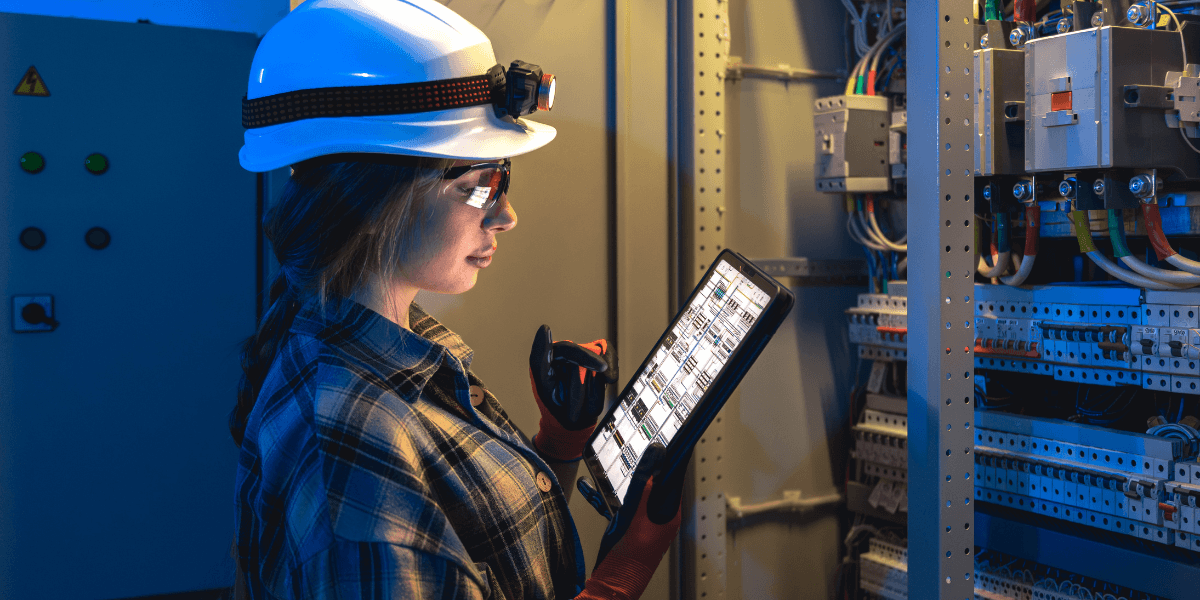
Electrical systems power every modern industrial operation, yet they also bring serious risks if not handled correctly. A single fault can trigger injuries, equipment damage, production delays, and even regulatory penalties. Because of this, industrial electrical safety is not just a technical requirement but an important part of daily operations that protects both people and productivity.
At the same time, companies need reliable access to compliant components and protective equipment. This is where trusted suppliers play an important role by confirming that every product meets safety expectations and industry requirements.
Why Electrical Safety Standards Matter in Industrial Settings
Industrial environments operate under demanding conditions, and even a minor electrical issue can develop into a serious problem. Strong workplace electrical safety standards provide a structured approach that helps businesses prevent risks before they occur. When safety is not prioritized, the impact becomes visible almost immediately. Employees face the risk of electric shocks, burns, and arc flashes, all of which can lead to severe injuries. Equipment also suffers, as electrical faults often result in unexpected breakdowns that interrupt production schedules.
Beyond physical damage, companies also face legal consequences. Regulatory bodies enforce strict guidelines, and non-compliance can result in fines, penalties, and operational restrictions. Over time, repeated issues increase maintenance costs and reduce overall efficiency. Safety standards create consistency. They guide how systems are installed, how equipment is maintained, and how employees interact with electrical components. This structured approach helps businesses maintain stability while reducing risks across operations.
Key Industrial Electrical Safety Standards to Follow
OSHA Electrical Safety Regulations
The Occupational Safety and Health Administration establishes clear and enforceable rules that businesses must follow to maintain safe working conditions. These regulations form the backbone of many industrial safety programs. OSHA focuses on the safe installation and operation of electrical systems, ensuring that equipment is properly grounded and maintained. It also requires employers to train workers so they can recognize hazards and respond appropriately.
Another important requirement is the implementation of lockout and tagout procedures. These procedures ensure that machines remain de-energized during maintenance, which reduces the risk of accidental startup.
NFPA 70 (National Electrical Code – NEC)
The National Fire Protection Association (NFPA) developed the National Electrical Code (NEC), which provides detailed guidance on safe electrical design and installation. This standard helps prevent electrical fires and system overloads by setting clear rules for wiring, grounding, and circuit protection. It is updated regularly to reflect new technologies and evolving industry needs.
For businesses, following NEC guidelines improves system reliability and reduces the likelihood of unexpected failures.
NFPA 70E (Electrical Safety in The Workplace)
NFPA 70E focuses on protecting workers who interact with electrical systems. It provides practical guidance on safe work practices and emphasizes hazard awareness. One of its key elements is arc flash risk assessment. This process identifies high-risk areas and ensures that proper protective measures are in place. The standard also outlines the correct use of personal protective equipment and safe handling of energized equipment.
By following NFPA 70E, companies create a safer working environment while meeting expectations for electrical compliance for industries.
IEC Standards (International Electrotechnical Commission)
The International Electrotechnical Commission develops international standards that support safe and efficient electrical systems across global markets. These standards are especially important for businesses involved in international projects. They ensure compatibility between systems and help maintain consistent safety practices across different regions.
For global operations, IEC standards provide a unified framework that simplifies compliance and improves coordination.
ISO 45001 (Occupational Health and Safety Management)
The International Organization for Standardization introduced ISO 45001 to help organizations build strong workplace safety systems. This standard encourages continuous risk assessment and improvement. It integrates electrical safety into broader health and safety policies, ensuring that risks are managed proactively.
Businesses that follow ISO 45001 often see improved safety performance and better alignment with industrial safety regulations.
Essential Electrical Safety Practices Every Business Should Implement
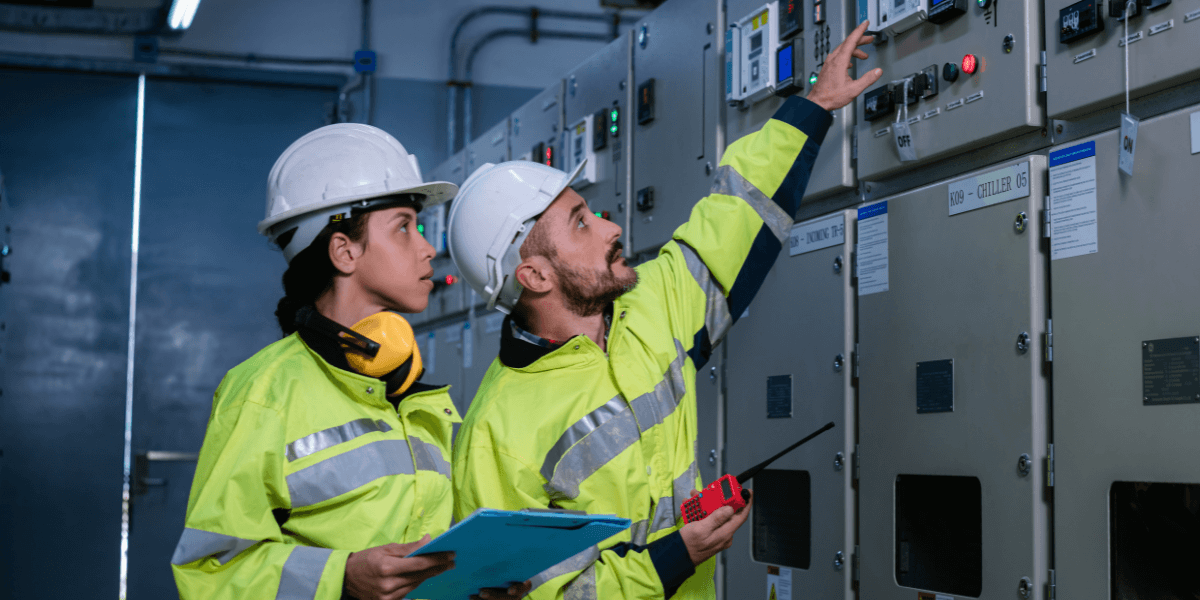
Strong standards are only effective when supported by consistent daily practices. Businesses must translate these guidelines into actions that employees follow on the ground.
Regular Equipment Inspection and Maintenance
Routine inspections play a key role in preventing electrical failures. By checking wiring, panels, and machinery regularly, companies can identify issues before they escalate. Damaged or outdated components should be replaced without delay to maintain system integrity.
Proper Use of Personal Protective Equipment (PPE)
Employees must use appropriate protective gear when working near electrical systems. This includes insulated gloves, helmets, and arc-rated clothing. Proper PPE reduces exposure to hazards and ensures safer working conditions.
Lockout and Tagout Procedures
Lockout and tagout procedures are essential during maintenance work. They ensure that equipment remains de-energized and cannot be restarted accidentally. Employees need to be properly trained to follow these procedures to prevent serious incidents.
Employee Training and Certification
Training confirms that workers understand the risks associated with electrical systems. Regular sessions help employees stay informed about safety practices and improve their ability to respond to hazards effectively.
Use of Certified Electrical Components
Using certified components ensures that systems meet safety requirements. Low-quality or counterfeit products often fail under pressure, which increases the risk of accidents. Businesses should prioritize reliable equipment that meets recognized standards.
Common Electrical Safety Mistakes to Avoid
Even with strong systems in place, certain mistakes continue to appear in industrial environments. These errors often lead to avoidable risks and financial losses.
- Ignoring routine inspections is one of the most common issues. Without regular checks, small faults remain undetected until they cause major problems.
- Using non-compliant products also creates unnecessary risks, as these items may not meet safety requirements.
- A lack of employee training further increases the likelihood of accidents. Workers who are not aware of potential hazards may take unsafe actions that compromise safety.
- Overloading circuits and poor grounding practices also contribute to system failures and fire risks.
By addressing these mistakes, businesses can strengthen their safety programs and reduce operational disruptions. Maintaining high safety standards requires access to reliable products and consistent supply chains.
Industrial Supply Groups supports businesses by providing equipment that aligns with industry regulations. We provide reliable and code-compliant industrial equipment online that supports dependable operations.
Conclusion
Electrical safety is not a one-time effort. It requires continuous attention, proper systems, and informed decision-making. By following established standards and implementing strong daily practices, businesses can protect their workforce and maintain operational efficiency. When safety becomes part of the company culture, risks decrease, and performance improves. Organizations that invest in proper safety measures often see long-term benefits that extend beyond compliance.
Need specialized sourcing support? Connect with Industrial Supply Groups, a trusted drilling equipment supplier dedicated to improving workplace safety!