

The Importance of Industrial Sensors in Smart Manufacturing

Smart factories are changing the way the world makes things. Machines now communicate with one another, and data moves in real time, and decisions happen automatically. At the center of all this progress are industrial sensors, small devices that do a very big job.
If you work in manufacturing, oil and gas, or any industrial field, sensors are already part of your daily operations. Understanding what they do and why they matter can help you make smarter decisions for your facility.
What Are Industrial Sensors?
An industrial sensor is a device that detects physical conditions and turns them into data. It can measure temperature, pressure, vibration, proximity, flow, and much more. That data then gets sent to control systems, software platforms, or operators who act on it.
Think of sensors as the eyes and ears of a factory. Without them, automated equipment has no way of knowing what is happening around it. Every smart manufacturing system depends on accurate, continuous sensor data to function properly.
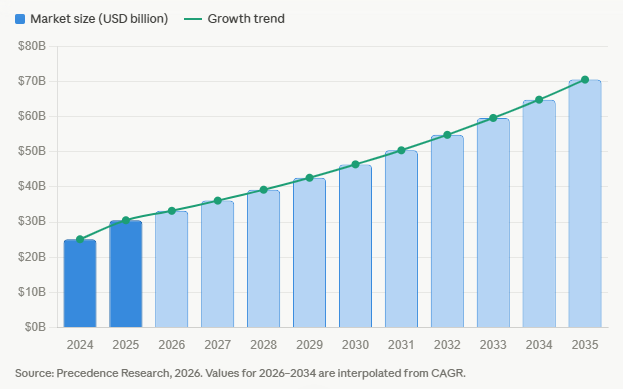
The global industrial sensors market was valued at $30.52 billion in 2025 and is projected to exceed $70.5 billion by 2035, underscoring how central sensor technology has become across every major industry.
How Smart Manufacturing Sensors Are Changing Operations
The impact of sensors on modern manufacturing goes far beyond simple data collection. They are actively reshaping how facilities operate, compete, and grow across every major industrial sector.
Real-Time Monitoring
Smart manufacturing sensors give plant managers a live view of every process on the floor. If a machine runs too hot or a pressure line drops unexpectedly, the system catches it right away. That instant visibility prevents small issues from turning into costly shutdowns.
In industries like chemical processing or oil refining, real-time data is not just useful; it is essential for safety. Sensors keep workers and equipment protected by flagging dangerous changes the moment they occur.
Predictive Maintenance
According to Siemens’ 2024 True Cost of Downtime report, the world’s 500 largest companies lose $1.4 trillion every year to unplanned downtime, equal to 11% of their total revenue. When vibration, temperature, or noise patterns change, the system sends an alert before anything breaks.
This approach, called predictive maintenance, shifts teams from fixing things after they break to fixing them before they do. That shift alone saves companies enormous amounts of time and money every year.
Better Product Quality
Vision sensors and laser measurement tools inspect products at speeds no human can match. They catch defects on fast-moving production lines before faulty products ever leave the facility. Pressure and flow sensors also ensure materials are always processed to the correct specifications.
Consistent quality builds customer trust, and in competitive markets, that trust is everything.
Energy Savings
Energy sensors track power consumption across machines and entire facilities. This data shows exactly where energy is being wasted, and even a reduction in a large plant can add up to significant annual savings. Many manufacturers are surprised by how much waste they uncover once they start measuring carefully.
Worker Safety
Gas detection sensors, proximity sensors, and environmental monitors protect workers from hazardous conditions. They send alerts when toxic gases are detected or when someone moves too close to dangerous equipment. In high-risk environments such as refineries and chemical plants, these sensors genuinely save lives.
Inventory Visibility
Level sensors and flow meters give facilities a real-time picture of raw material inventories. When connected to supply chain software, this data helps teams prevent shortages, reduce waste, and keep production moving. Better visibility also leads to smarter purchasing decisions.
If you wish to equip your facility with the right products, Industrial Supply Groups is a trusted global supplier of industrial equipment, offering sensors, automation components, and instrumentation shipped worldwide. Browse our catalog today!
Key Types of Industrial Sensor Technology
Industrial sensor technology covers a wide range of device types. Here are the most commonly used ones in smart manufacturing:
- Temperature Sensors: Monitor heat levels in machines, fluids, and environments.
- Pressure Sensors: Track system pressure in hydraulics, gas lines, and fluid processing.
- Proximity Sensors: Detect objects without physical contact and are common in robotics and on assembly lines.
- Vibration Sensors: Spot early signs of mechanical wear in motors and rotating equipment.
- Flow Sensors: Measure liquid and gas movement through pipes in chemical and utility plants.
- Vision Sensors: Use cameras and image processing to inspect products and guide robotic systems.
- Gas Sensors: Detect hazardous gases in the air, critical in refineries, mines, and chemical facilities.
Most smart facilities use several of these sensor types together as part of one connected system.
Sensors and Industry 4.0
Industry 4.0 is built on data, connectivity, and automation, and sensors are where it all starts. They generate the raw data that feeds AI systems, cloud platforms, and digital twins. Without reliable sensor input, none of the advanced intelligence that defines modern manufacturing is possible.
The combination of sensors with the Industrial Internet of Things (IIoT) has taken industrial sensor technology further than ever before. Sensors now connect wirelessly, update remotely, and self-calibrate. They are more affordable and capable than ever, which is why adoption is rising rapidly across every sector.
Challenges to Keep in Mind
Deploying sensors at scale is not always simple. Older facilities often run legacy equipment that was never designed to connect to modern networks, and retrofitting takes careful planning. Data overload is also a real concern; large sensor networks generate huge volumes of data every second, and without the right analytics software, that data becomes noise rather than insight.
Cybersecurity matters too. As more industrial devices go online, the risk of network attacks grows. Strong security protocols are a basic requirement for any connected sensor deployment, not an afterthought.
Conclusion
Industrial sensors are no longer just supporting tools; they are the foundation of smart manufacturing. They drive efficiency, protect workers, improve quality, and power the real-time intelligence that modern factories demand. As automation reshapes industries, the role of sensors will only grow. Investing in the right sensor technology today is one of the best decisions any manufacturing operation can make. Industrial Supply Groups connects businesses worldwide with high-quality instrumentation, automation, and electrical products backed by ISO 9001:2015 quality standards. Contact our team for industrial solutions today and let us help you find exactly what you need!