

Why Condition Monitoring Is Essential for Modern Industrial Facilities

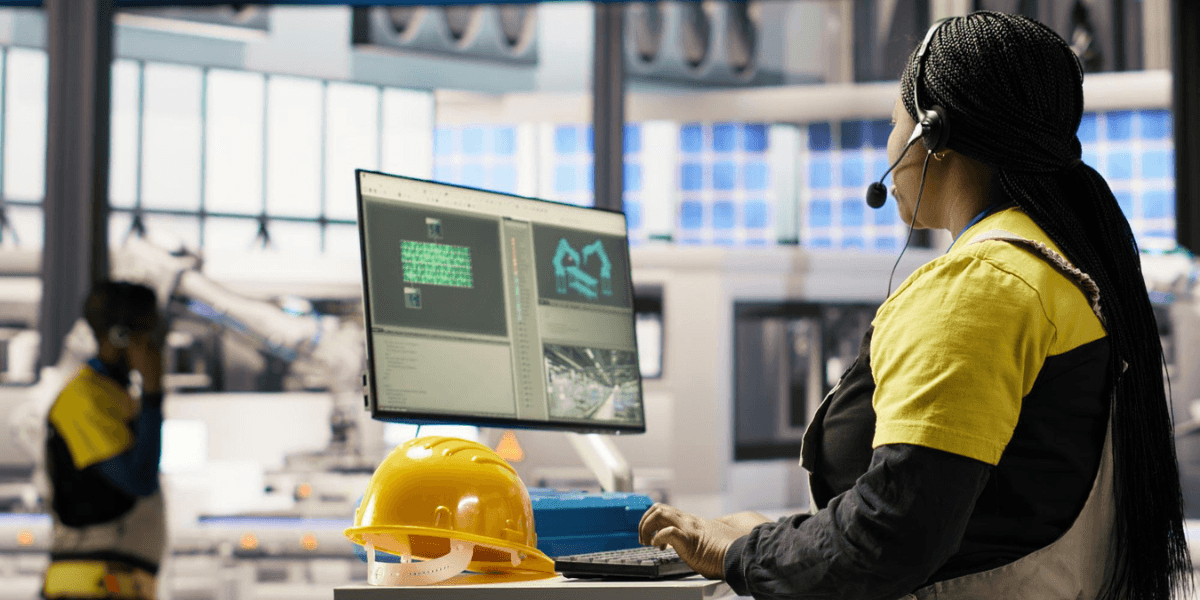
Modern industrial facilities depend heavily on equipment reliability to maintain productivity and profitability. Every machine, motor, pump, and rotating component contributes to smooth operations, which means unexpected failures can disrupt entire production schedules. These interruptions often result in costly downtime, safety concerns, and expensive repairs that place additional pressure on maintenance teams and operating budgets.
As industries continue to adopt smarter maintenance strategies, the focus has shifted away from reacting to breakdowns after they happen. Companies now recognize the value of condition monitoring in industrial facilities to identify problems before they become serious.
Why Condition Monitoring Matters in Modern Industries
Reduced Unplanned Downtime
Unexpected breakdowns often lead to production delays and lost revenue. Through continuous monitoring, developing faults can be identified before they become major failures. Early detection minimizes interruptions and helps facilities maintain stable operations. As a result, production schedules remain consistent, and costly downtime becomes less frequent.
Lower Maintenance Costs
Emergency repairs often require urgent labor, replacement parts, and production stoppages. Condition monitoring helps prevent these expenses by identifying issues during their early stages. Maintenance activities become more targeted, which reduces unnecessary servicing and allows equipment to remain operational longer. Better planning also improves resource utilization and lowers maintenance costs over time.
Improved Workplace Safety
Equipment failures can create serious hazards for workers and surrounding systems. Monitoring technologies help identify unsafe conditions before they escalate. By detecting overheating components, abnormal vibrations, and electrical issues early, facilities can prevent accidents and create safer work environments. Safety improvements also support compliance with industry regulations.
Increased Equipment Lifespan
Mechanical stress and excessive wear gradually reduce equipment performance. Early detection allows maintenance teams to address problems before severe damage develops. This approach preserves equipment efficiency and delays expensive replacements. Organizations benefit from improved asset utilization and reduced capital expenditures.
Better Production Efficiency
Equipment operating under healthy conditions performs more efficiently. Stable performance contributes to consistent output quality and minimizes productivity losses. Reliable machinery also supports better scheduling and increases confidence across production processes. This is why industrial condition monitoring continues to gain importance in manufacturing and process industries.
Common Condition Monitoring Techniques
Several monitoring methods help maintenance teams evaluate machine health and detect developing problems.
Vibration Analysis
Vibration monitoring is one of the most widely used techniques in industrial facilities.
- Bearing Failures: Abnormal vibration patterns often indicate bearing wear or damage. Detecting these changes early helps prevent severe failures.
- Imbalance: Rotating components that lose balance create excessive vibration. Monitoring systems can identify these conditions before they affect equipment performance.
- Misalignment: Shaft misalignment causes stress and energy loss. Vibration analysis helps maintenance teams correct alignment issues quickly.
- Mechanical Looseness: Loose components produce irregular vibrations that signal potential problems. Early intervention prevents further deterioration.
- Thermal Imaging: Infrared thermography helps identify temperature variations that indicate developing faults.
- Overheating Components: Excessive heat often points to mechanical or electrical problems. Thermal imaging allows technicians to detect these conditions without interrupting operations.
- Electrical Faults: Poor connections and overloaded circuits generate abnormal temperatures. Early identification helps prevent failures and fire hazards.
- Insulation Problems: Thermal analysis can reveal damaged insulation and other hidden issues that impact equipment reliability.
Oil Analysis
Lubricants carry valuable information about machine health.
- Contamination: Oil testing detects dirt, moisture, and foreign particles that affect equipment performance.
- Component Wear: Metal particles found during analysis indicate wear inside critical components.
- Lubrication Issues: Oil quality assessment helps determine if lubrication remains effective or requires replacement.
- Ultrasonic Testing: Ultrasonic technology captures high-frequency sounds produced by developing problems.
- Air Leaks: Compressed air leaks increase energy consumption and reduce system efficiency.
- Steam Leaks: Ultrasonic monitoring helps locate steam losses that often go unnoticed.
- Electrical Discharge: Electrical arcing and corona discharge create ultrasonic signatures that can be detected before failures occur.
- Bearing Defects: Ultrasonic analysis identifies early-stage bearing damage that traditional inspections may miss.
Motor Current Analysis
Electrical signals provide important information about motor performance.
- Motor Problems: Current patterns reveal abnormalities affecting motor efficiency.
- Rotor Defects: Rotor damage changes electrical characteristics, allowing technicians to identify issues early.
- Power Quality Issues: Current analysis helps diagnose voltage imbalance and other electrical problems that affect performance.
Industries That Benefit Most from Condition Monitoring
Many industries depend on equipment reliability to maintain continuous operations.
Oil and Gas
Production facilities operate under demanding conditions where downtime can result in significant financial losses.
Manufacturing
Manufacturers rely on uninterrupted production processes to maintain product quality and meet delivery schedules.
Power Generation
Power plants require dependable equipment to maintain stable energy production and avoid service interruptions.
Mining
Mining operations use heavy machinery that must perform reliably in harsh environments.
Water and Wastewater Treatment
Treatment facilities depend on pumps, motors, and process equipment to maintain essential services.
Chemical and Petrochemical Facilities
Complex systems and strict safety requirements make reliability critical in these industries.
Condition Monitoring and Predictive Maintenance
Predictive maintenance relies heavily on equipment condition monitoring to improve asset performance. Real-time data collection provides maintenance teams with continuous visibility into machine conditions.
Trend analysis helps identify gradual changes that indicate developing faults. Organizations can perform maintenance activities based on actual conditions instead of adhering to fixed schedules. This strategy reduces reactive maintenance and improves equipment reliability. Better planning also contributes to lower maintenance costs and improved resource management.
The Role of Digital Technologies in Condition Monitoring
Technology continues to transform maintenance practices across modern industries.
- IoT Sensors: Connected sensors provide continuous monitoring and immediate access to equipment data.
- Machine Learning: Advanced algorithms analyze patterns and predict potential failures with greater accuracy.
- Cloud-Based Monitoring Platforms: Cloud solutions allow maintenance teams to access performance information through centralized systems.
- Remote Monitoring Capabilities: Remote access improves visibility across multiple facilities and simplifies asset management.
- Data Analytics for Asset Management: Modern analytics tools support better maintenance decisions and improve operational planning.
These innovations have expanded the capabilities of condition monitoring solutions, making them more accessible and effective across industries.
Common Challenges Businesses Face Without Condition Monitoring
Organizations that rely solely on reactive maintenance often encounter repeated problems. Unexpected equipment failures create production delays and increase repair expenses. Emergency maintenance activities place additional stress on maintenance teams and frequently require costly replacement parts. Safety incidents also become more likely when hidden issues remain undetected.
Over time, repeated failures shorten equipment life and reduce overall efficiency. These challenges highlight the importance of proactive maintenance strategies that support reliability and long-term performance. If you are looking for dependable industrial suppliers, Industrial Supply Groups provides reliable products and sourcing solutions that support efficient maintenance programs and long-term operational performance. Check out our catalog today!
Conclusion
Condition monitoring has become an essential part of modern industrial operations. Businesses that focus on proactive maintenance gain greater reliability, improved safety, and better cost control. Early fault detection helps prevent unplanned downtime while extending equipment life and improving overall performance. As industrial environments become increasingly connected and data-driven, condition monitoring will continue to play a central role in asset management. Organizations that adopt smarter maintenance practices place themselves in a stronger position for sustainable growth and operational stability. Need a trusted heavy equipment supplier for your industrial requirements? Contact Industrial Supply Groups today and get expert assistance for dependable equipment solutions tailored to your operations!